How Saving and Emergency Planning Protect Your Financial Future
Saving money is one of the most important yet often overlooked aspects of personal finance. While earning income is essential, the ability to retain and protect that income determines long-term financial stability. Saving and emergency planning provide a financial buffer that helps individuals manage uncertainty, reduce stress, and stay on track toward long-term goals. This article explains how saving works, why emergency planning matters, and the benefits it provides to everyday financial life.
Why Saving Is a Core Personal Finance Skill
Saving is the practice of setting aside a portion of income for future use rather than spending it immediately. It creates financial resilience and flexibility.
Key reasons saving is essential:
-
Provides security during unexpected situations
-
Reduces reliance on debt
-
Supports both short-term and long-term goals
Without savings, even minor financial disruptions can quickly escalate into major financial challenges.
Understanding Emergency Funds
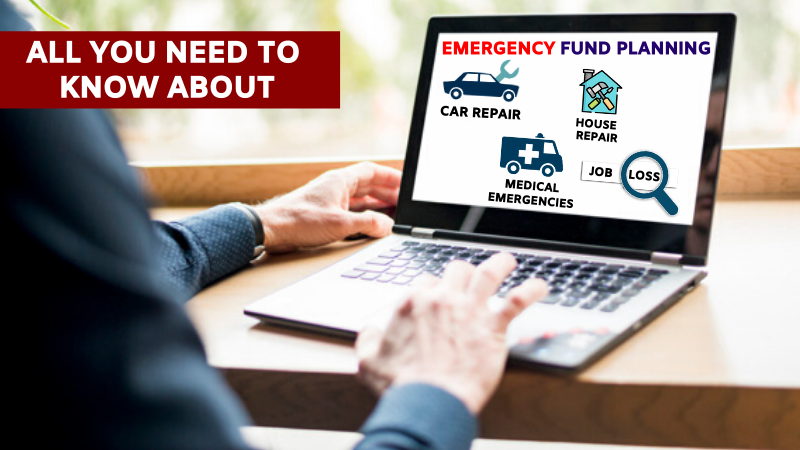
An emergency fund is money reserved specifically for unexpected expenses such as medical bills, car repairs, or sudden job loss. It is not intended for discretionary spending.
Characteristics of a strong emergency fund:
-
Covers three to six months of essential expenses
-
Kept in a liquid and easily accessible account
-
Used only for true emergencies
An emergency fund acts as a financial shock absorber, preventing setbacks from derailing long-term plans.
How to Start Saving Effectively
Many people delay saving because they believe they do not earn enough. In reality, saving is a habit that can begin with small amounts.
Practical ways to start saving:
-
Automate savings transfers after each paycheck
-
Start with a realistic percentage and increase gradually
-
Treat savings as a fixed expense, not leftover money
Consistency matters more than the size of the contribution.
Short-Term vs Long-Term Savings
Different financial goals require different saving strategies. Understanding the purpose of savings helps determine where and how money should be stored.
Examples of short-term savings:
-
Emergency funds
-
Vacation or travel expenses
-
Planned purchases
Examples of long-term savings:
-
Retirement funds
-
Education expenses
-
Home down payments
Separating savings by purpose improves organization and discipline.
Benefits of Saving and Emergency Planning
Saving provides both financial and emotional benefits. Knowing that funds are available in times of need increases confidence and reduces anxiety.
Key benefits include:
-
Reduced financial stress
-
Improved decision-making
-
Greater financial independence
Emergency planning also protects progress toward long-term goals by preventing forced asset sales or high-interest borrowing.
Common Barriers to Saving
Despite its importance, saving can be challenging due to lifestyle pressures and financial obligations.
Common obstacles include:
-
High living expenses
-
Impulse spending
-
Inconsistent income
Recognizing these barriers makes it easier to develop strategies to overcome them.
Building a Saving Mindset
Saving is as much about mindset as it is about numbers. Developing a long-term perspective helps maintain discipline and consistency.
A strong saving mindset involves:
-
Prioritizing future stability over short-term gratification
-
Celebrating small milestones
-
Reviewing progress regularly
This mindset turns saving into a sustainable habit rather than a temporary effort.
Conclusion
Saving and emergency planning are fundamental to protecting your financial future. They provide security, flexibility, and peace of mind in an unpredictable world. By understanding how to save effectively and preparing for unexpected events, individuals gain control over their finances and reduce vulnerability to financial shocks. Consistent saving, even in small amounts, builds a foundation for long-term stability and financial confidence.
You may also like



Leave a Reply