How Inflation, Interest Rates, and Economic Cycles Affect Everyday Life
Economic conditions influence daily financial decisions more than many people realize. Factors such as inflation, interest rates, and economic cycles shape purchasing power, employment opportunities, and long-term financial planning. Understanding how these elements work helps individuals make informed decisions and adapt to changing economic environments.
Understanding Inflation
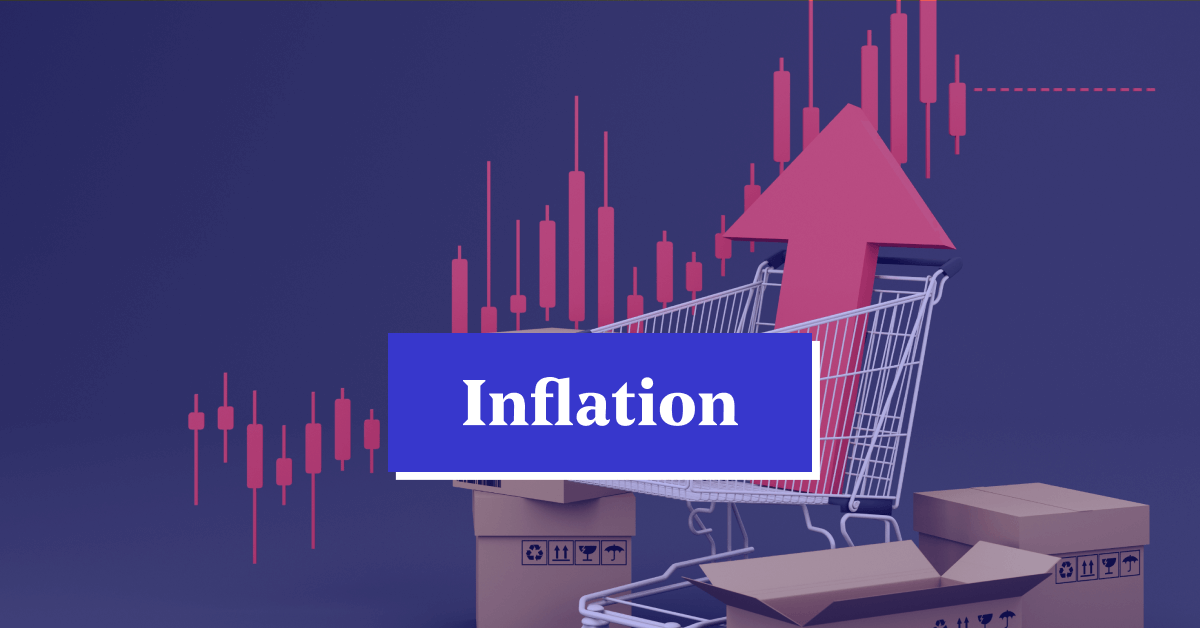
Inflation refers to the gradual increase in prices of goods and services over time. As prices rise, the purchasing power of money decreases.
Key causes of inflation include:
-
Increased demand for goods and services
-
Rising production and labor costs
-
Expansion of money supply
Moderate inflation is considered normal in a growing economy, but high inflation can erode savings and income.
How Inflation Affects Individuals
Inflation directly impacts household finances and cost of living.
Common effects include:
-
Higher prices for food, housing, and transportation
-
Reduced value of cash savings
-
Increased pressure on household budgets
Managing finances during inflation requires careful planning and income growth strategies.
Interest Rates and Borrowing Costs
Interest rates represent the cost of borrowing money. They are influenced by central bank policies and economic conditions.
Interest rate impacts include:
-
Higher rates increase loan and mortgage costs
-
Lower rates encourage borrowing and spending
-
Changes in credit card and personal loan interest
Interest rates influence major financial decisions such as home purchases and business investments.
Relationship Between Inflation and Interest Rates
Central banks often adjust interest rates to control inflation. When inflation rises, interest rates may increase to slow spending.
Key relationships include:
-
Higher rates reduce demand and inflation pressure
-
Lower rates stimulate economic activity
-
Balanced rates support stable growth
This relationship helps maintain economic equilibrium.
Economic Cycles Explained
Economic cycles refer to the natural expansion and contraction of economic activity over time.
Main phases of economic cycles include:
-
Expansion with rising growth and employment
-
Peak where growth slows
-
Contraction or recession
-
Recovery leading back to expansion
Understanding cycles helps individuals prepare for economic shifts.
How Economic Cycles Affect Jobs and Income
Economic cycles influence employment levels and income stability.
Common effects include:
-
Job growth during expansion phases
-
Increased layoffs during recessions
-
Wage stagnation during economic slowdowns
Planning for income variability improves financial resilience.
Managing Personal Finances Through Economic Changes
Economic conditions are beyond individual control, but financial preparedness reduces their impact.
Key strategies include:
-
Maintaining emergency savings
-
Managing debt responsibly
-
Diversifying income and investments
Prepared individuals can navigate economic uncertainty more effectively.
Conclusion
Inflation, interest rates, and economic cycles shape the financial environment in which individuals and businesses operate. By understanding how these forces interact and affect everyday life, people can make better financial decisions and prepare for economic changes. Awareness and proactive planning are essential tools for maintaining financial stability in an evolving economic landscape.
You may also like
Leave a Reply