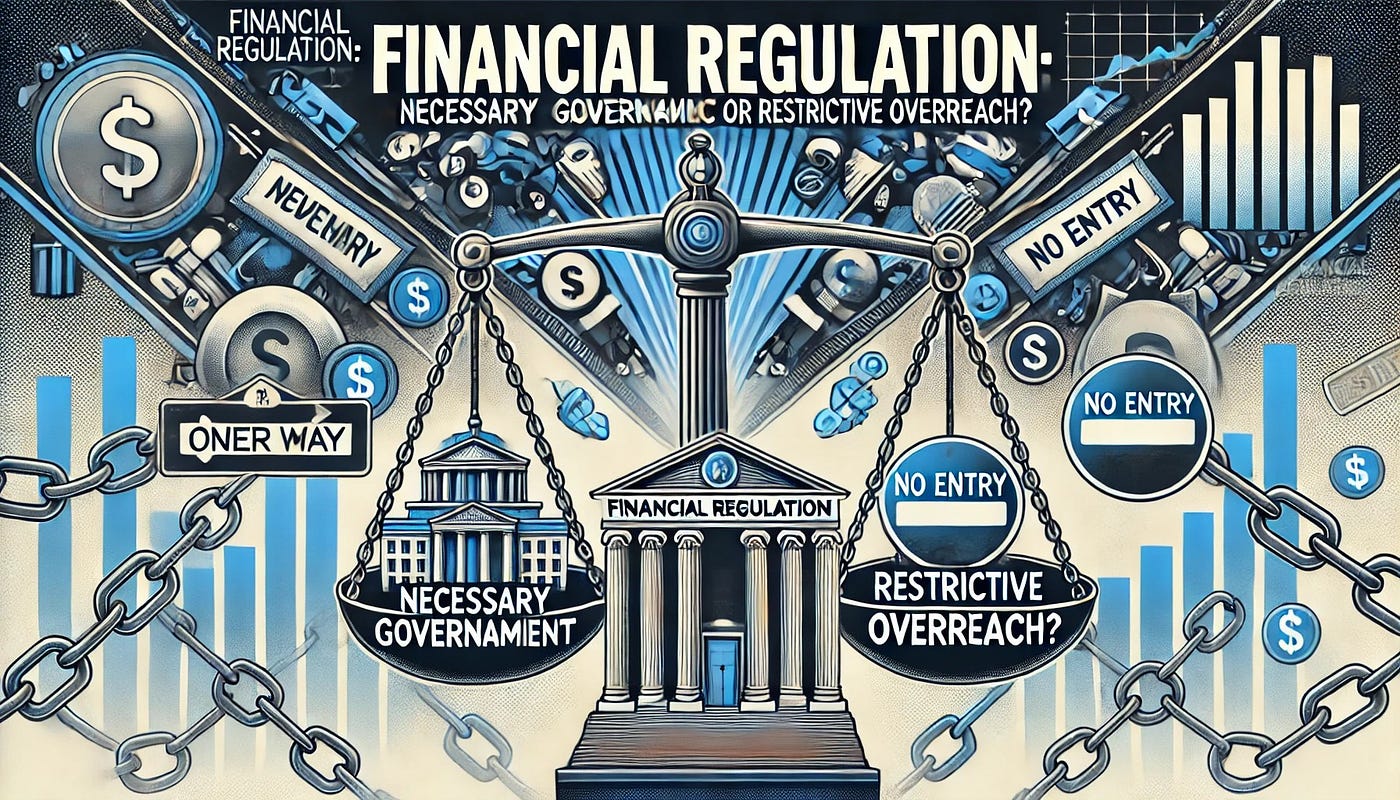
How Banking Regulations and Economic Policies Protect Financial Stability
A stable banking system and a healthy economy do not operate by chance. They are supported by regulatory frameworks and economic policies designed to reduce risk, protect consumers, and prevent financial crises. Understanding how banking regulations and economic policies work helps individuals appreciate why rules exist and how they contribute to long-term financial stability.
What Are Banking Regulations
Banking regulations are rules and standards imposed by governments and regulatory authorities to oversee how banks operate. These regulations aim to ensure that financial institutions remain safe, transparent, and capable of meeting their obligations.
Core purposes of banking regulations include:
-
Protecting depositors’ money
-
Reducing excessive risk-taking
-
Maintaining confidence in the financial system
Without regulation, banks could engage in practices that threaten both customers and the broader economy.
Why Banking Regulations Are Necessary
Banks play a critical role in managing public savings and providing credit. Because failures can have widespread consequences, regulation is essential to limit systemic risk.
Key reasons regulations are necessary:
-
Banks handle large volumes of public funds
-
Failures can spread quickly across the economy
-
Consumers often lack full information about bank risks
Regulation helps balance profitability with responsibility.
Capital Requirements and Risk Management
One of the most important regulatory tools is capital requirement rules. These rules require banks to hold a minimum level of capital relative to their risk exposure.
Benefits of capital requirements include:
-
Increased ability to absorb financial losses
-
Reduced likelihood of bank failure
-
Stronger resilience during economic downturns
Capital buffers act as a financial safety net for the banking system.
Consumer Protection and Transparency
Banking regulations also focus on protecting consumers from unfair practices and excessive risk.
Consumer-focused protections include:
-
Clear disclosure of fees and interest rates
-
Fair lending standards
-
Protection against predatory practices
These measures help consumers make informed decisions and reduce financial harm.
Economic Policies and Financial Stability
Beyond banking regulations, broader economic policies influence financial stability. Governments and central banks use fiscal and monetary policies to manage economic growth and reduce volatility.
Key economic policy tools include:
-
Government spending and taxation (fiscal policy)
-
Interest rate and money supply management (monetary policy)
-
Financial market oversight
These policies work together to support stable economic conditions.
Lessons from Financial Crises
Past financial crises have highlighted the importance of strong regulation and policy coordination. Economic downturns often expose weaknesses in financial systems.
Key lessons learned include:
-
Excessive risk-taking can destabilize economies
-
Weak regulation increases systemic vulnerability
-
Timely policy intervention can limit damage
As a result, regulatory frameworks are often strengthened following major crises.
How Regulations Affect Everyday Banking
While regulations operate behind the scenes, they directly impact everyday banking experiences.
Effects on individuals include:
-
Greater safety of bank deposits
-
More transparent financial products
-
Increased confidence in financial institutions
Although regulations may sometimes increase costs, they provide long-term protection.
The Future of Banking Regulation
As technology and financial innovation evolve, banking regulations continue to adapt. Digital banking, fintech, and global financial integration create new challenges.
Future regulatory priorities include:
-
Oversight of digital and online banking
-
Managing systemic risk from interconnected markets
-
Balancing innovation with consumer protection
Effective regulation must evolve without stifling economic progress.
Conclusion
Banking regulations and economic policies play a vital role in protecting financial stability and maintaining public trust. By setting standards for risk management, consumer protection, and economic oversight, these frameworks reduce the likelihood of financial crises and support sustainable growth. Understanding their role helps individuals better appreciate the structure and safeguards behind modern banking and economic systems.
You may also like


Leave a Reply